

There are little things you can do for your health, you don’t have to make huge changes to make a difference. Infact, huge changes can be daunting and often make us fail at the first hurdle. Start with one small change and see if it helps, you can then try other things as any improvement in our health at all is a big win for us.
Exercise
This subject usually strikes fear in the heart of a lupus patient but, as you’ll see, we’re not talking about taking on a marathon.

Make sure you get up and walk about as much as you can. Keeping mobile is good for your joints. Maybe stand up and stretch during tv ad breaks – heaven knows there’s enough of them! We often spend a lot of time hunched over our devices so make sure you sit up straight and roll your shoulders back, ideally stand up to do this every so often. Take a tip from your cat – notice how they stretch after they’ve been immobile for a while?
Too much sitting is associated with increased risks for obesity, diabetes, cancer, heart disease, and early death. On the flip side, moving — even just a little — is linked with reduced risks for chronic disease. This recent research shows that just jiggling a foot whilst sitting increases blood flow, burns a small number of calories and can help mitigate some negative effects of sedentary behavior.
I-Min Lee, a senior exercise researcher and a professor of medicine at Harvard Medical School says "Just standing up helps improve how your body uses blood sugar," She suggests giving this routine a try every 30 minutes:
Stand up, reach your arms to the sky, stretch and twist your trunk to the left and right. Then walk around to get your heart and lungs working a little harder. You might do a quick household chore (unload a dishwasher, fold a load of laundry), climb up and down the stairs, get the mail, or dance to a favourite song. "Make sure you move your arms and legs. That's good for your muscles, which get tight when you sit too long. And it's good for your posture, which tends to be hunched on a couch and slouched at a desk."
Try chair exercises, there’s a great fitness trainer on instagram @growyoungfitness who shows exercises that anyone can do seated. You may also find that there are seated exercise clubs in your local area if you are someone that’s motivated by joining in with other people.
Exercise your lungs and sing. I always do this in my car, I belt out songs when I’m driving, and no-one can hear me, except when I forget I have the roof down and I get some strange looks! It improves your breathing, stress levels and mood. Also create a happy playlist to boost your mood, mine’s a list of 70’s music that brings back happy memories and also makes me want to dance.
Food
I’m always saying this - ditch ultra processed foods, such as mass produced cereals that are full of sugar, processed meats such as hot dogs etc, all of which contain artificial ingredients. I’ve become an avid label reader and if there’s a long list of ingredients (particularly ones I don’t recognise) it goes back onto the shelf. Watch out for sugar and also oil which manufacturers sneak into pretty much everything these days.
Here’s a quote from Dr. Xand van Tulleken, doctor and TV presenter:
“Everything was full of emulsifiers, flavourings, colourings, humectants, stabilisers, preservatives, modified starches and sweeteners. I figured if I didn’t know what it was, I shouldn’t eat it. I lost 30kg and feel more joyful.”.
Swap white carbs such as bread/rice/pasta for wholegrain versions which are much better for you gut. A lot of lupus patients are intolerant of refined white carbs so you should find your stomach is much happier without them.

I batch cook soup, usually a lot of frozen vegetables and some herbs blended which is very easy, I then freeze them in portions for when I’m too tired to cook, it means I still get some good nutrition.
Sprinkle seeds and nuts on your food (as long as you have no allergies) – particularly great on breakfast and salads and even soup. They add nutrition and your gut loves them.
If you can’t face cooking try making a smoothie, you can blend pretty much every fruit and vegetable. You can also add seeds and powders to add nutrition. There are lots of recipes online. Be careful if you are on warfarin or have lupus nephritis, in both cases you need to avoid certain foods such as dark green vegetables like kale etc. If you have kidney issues you will be monitoring liquid intake so it’s not a good idea to have smoothies.
I’m a self confessed chocoholic, I try to have dark chocolate as it only takes a small piece or two (30-60 grams a day is recommended) to feel satisfied. I actually melt dark chocolate then spread it onto a tray and sprinkle nuts, seeds and dried fruit on top to add a little more nutrition to my diet – it’s delicious too! Flavanols in dark chocolate may improve blood flow to the brain, Cocoa polyphenols in dark chocolate may promote brain health and it may also boost endorphins and "good mood" transmitters in the brain.
Even eating less of the things I mentioned to avoid would be a good little change, none of us are perfect and I will sometimes resort to a ready meal but I try to check for the really bad ingredients such as emulsifiers, colouring etc and pick the healthier option.
Drink
Give up fizzy drinks. Sugary drinks can contribute to weight gain, which can increase the risk of heart disease, high blood pressure and type 2 diabetes. The acids in fizzy drinks can damage tooth enamel and they may also weaken bones. As for ‘energy drinks’ well don’t get me started about how bad they are for everyone and in particular your gut!
Cut down/cut out alcohol. An odd drink is usually safe for most people, unless your doctor has advised you against drinking or you take a medication as alcohol can interfere with a lot of medications so always seek a doctors advice before drinking alcohol. If you drink every day and feel you rely on alcohol, or binge drink then it may be time to look at how much you drink. Click here for a quick drink aware quiz.
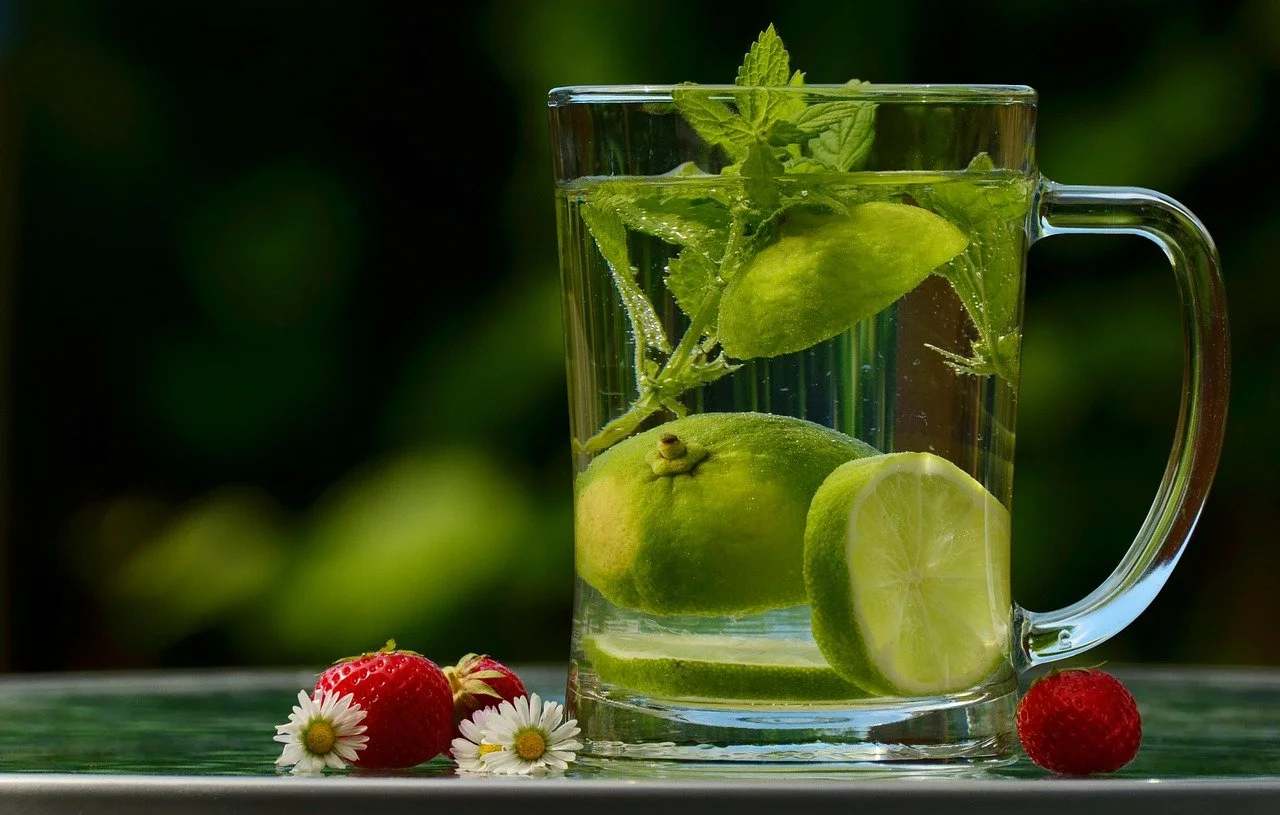
Drink more water. You just need to drink a small amount every half hour. You'll ensure that you've met your hydration needs by the end of the day. I have a bottle that is marked with times which makes sure I’m on track to drink my 6-8 glasses a day especially in the Summer when it’s easy to get dehydrated. If you want to liven plain water up and make it a little more interesting, you can add lemon, cucumber or fruit such as raspberries and chill in a jug in the fridge to allow the flavour to permeate the water.
Click here for NHS advice on hydration.

Stop smoking
More and more people are waking up to how harmful smoking is and that has to be a good thing. With lupus it’s even more important that you don’t smoke as smoking is linked to an increased risk of developing lupus and can also lower the effectiveness of medications used to treat lupus. It also increases the risk of cardiovascular disease, which is already elevated in people with lupus. More than any other lifestyle choice you can make, giving up smoking will have the greatest positive impact on your lupus and overall health.
Vaping used to be recommended as an alternative to smoking but now research has found out that vaping is bad for you; it's not safe and introduces harmful chemicals, nicotine (highly addictive) and heavy metals into the body, damaging lungs, heart and developing brains. While it avoids many tobacco toxins, vape aerosol contains cancer-causing agents, lung irritants (like acrolein and formaldehyde) and substances linked to severe lung injury (EVALI), especially with THC vapes.
The NHS can assist with giving up smoking click here.
Take your meds
This is actually a very big rather than ‘little’ thing. You may be thinking why say this, but the amount of stories I have heard where people suddenly decide not to take prescribed medication without seeking medical advice first is unbelievable and often the consequences were dire. I was told of a college student who decided to stop his lupus medication without checking with his doctor, sadly he became very unwell was rushed to hospital and passed away, which seems a terrible, pointless loss of a young life. No-one likes taking medicine but sometimes it is literally keeping you alive, or at least keeping your pain levels more tolerable.
If you are prescribed a course of medication such as antibiotics, take the full course, don’t stop until the medication is all gone to ensure the infection is fully treated, prevent relapse and reduce the risk of antibiotic resistance.
If you want to look at lowering dosage or stopping prescribed medication you must seek advice from your doctor before doing that.
If you need help remembering to take your medication, you can:
Set alarms on your phone or use a dedicated medication reminder app.
Integrate medication times into your daily routine, such as during breakfast or when brushing your teeth.
Use physical reminders like a pill organiser, a reminder sign or a specialised "take your meds" package (a video calling tablet to display medication reminders. Alerts are sent if reminders are not acknowledged).
If you run out of an urgent prescription, you can use the NHS 111 online emergency prescription service or contact your GP or a pharmacy
Other small changes to do for your health
Try to get outdoors, a lot of patients have issues with sunlight so cover up if you are in this category. Fresh air is good for us so if you can’t go outside open your windows and breathe in the fresh air. Wear at least factor 50 sunscreen when outside, I wear it all year round as UV light is still there even on dull days.
Give yourself a break from social media and the news, especially if the constant bombardment is making you unhappy. I haven’t watched the news in years and I feel my mood has vastly improved. Also turn off your phone in the evening and don’t sit in bed scrolling, it’s detrimental to sleep quality due to the blue light emitted from screens which disrupts melatonin production (the hormone that regulates sleep) and also the mental stimulation from content which keeps the brain active when it should be winding down.
Do more things you enjoy. I’ve started a watercolour class, it’s only once a month but it reminded me of how much I loved art and when I’m painting I totally zone out and get completely absorbed in what I’m doing. Learning new skills is also great for keeping your brain active, studies suggest that engaging in challenging new skills can help stave off dementia and keep the aging mind sharp.

Learn relaxation techniques like deep breathing, they can help with stress, anxiety, and other conditions. They can also improve your mood, energy and concentration.
Floss your teeth daily, as my dentist would tell you I’m a manic flosser as I just can’t stand the feeling of anything like seeds between my teeth. The bacteria that infect the gums and cause gingivitis and periodontitis also travel to blood vessels elsewhere in the body where they cause blood vessel inflammation and damage; tiny blood clots, heart attack and stroke may follow. (source Harvard Health).
Say no! I’ve left this until last as it’s important and something we seem to be very bad at doing. Learn to say no, we only have a certain amount of energy so pushing yourself to accommodate everyone else isn’t good for you. Make sure you have enough energy in reserve for things you want to do, start to put yourself first, if not all the time then at least some of the time.
I heard someone say ‘anything worth doing is worth doing poorly’ and I thought that summed things up. Just because you can’t climb a mountain or run a marathon doesn’t mean to say you can’t achieve anything at all. 5 minutes stretching a day is better than no exercise at all, cutting down from 10 cigarettes a day to 5 is an achievement, just incorporating extra vegetables into your diet is something. As long as you try your best that’s all that matters and your body will thank you.
Angie Davidson
The content on this blog should not be seen as a substitute for medical advice. If you have, or think you may have lupus, always seek advice on a qualified physician. Find out more in our Terms of Use.
